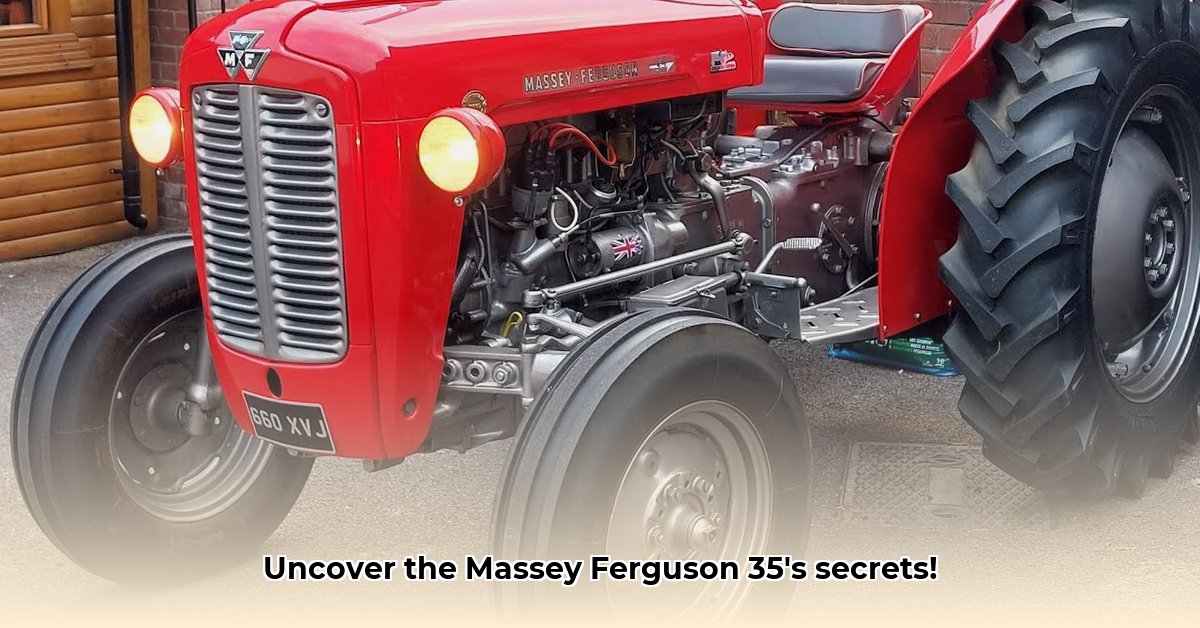
The Massey Ferguson 35—a name synonymous with agricultural heritage—is more than just a vintage tractor; it's a testament to enduring engineering and a captivating piece of history. This comprehensive guide explores the MF 35's multifaceted world, from its diverse variations and market value to the rewarding process of restoration and the shrewd aspects of investment. For even more in-depth information, check out this helpful resource: MF 35 Details. Whether you're a seasoned collector, a hobby farmer, or simply intrigued by classic machinery, prepare for an in-depth journey into the heart of the MF 35.
Specifications and Variants: The MF 35 Family
The Massey Ferguson 35 wasn't a monolithic machine; it spanned a family of models, each with unique features. The core MF 35 served as the foundation, but its versatility extended through variations like the MF 35 Utility, the MF 35 Turf (ideal for lawn and garden work), and the slightly more powerful MF 35X. This variety demonstrates the tractor's adaptability to various agricultural applications.
Powering these models were robust Perkins diesel engines or Continental gasoline engines. This choice significantly influenced performance and fuel efficiency, offering a range of driving experiences. Transmission options ranged from straightforward 6-speed setups to more advanced 12-speed partial power shifts, further enhancing the tractor's versatility. Key specifications differed across models. Weight ranged from approximately 2,982 to 3,559 pounds, fuel capacity hovered around 13.9 gallons, and horsepower varied significantly depending on the model and engine (typically ranging from 32 HP to 47 HP). High-quality images and a cutaway diagram would further enhance the reader's understanding of these variations. Isn't it fascinating how such diverse capabilities stemmed from a single design?
Market Value: Navigating the Price Landscape
Pinpointing the value of a Massey Ferguson 35 isn't an exact science; several interconnected factors come into play. Condition is paramount; a meticulously maintained, original tractor commands a higher price than one requiring extensive restoration. Geographic location also plays a role; a pristine MF 35 might fetch a premium in a region with a dedicated collector base.
Online marketplaces and auction sites provide a glimpse into current prices, showcasing recently sold MF 35 tractors. However, prices are dynamic, influenced by supply, demand, and overall market trends. This dynamic nature highlights the importance of thorough research before making a purchase. Isn't it a testament to the enduring popularity of these machines that they maintain their collector appeal despite these pricing fluctuations? Always consult with experienced collectors or restoration specialists when assessing a potential acquisition.
Parts and Restoration: Keeping the Legend Alive
Securing parts for a vintage tractor can be a challenge, but the MF 35 enjoys relatively good part availability. Original parts remain accessible through specialized suppliers, supplemented by aftermarket alternatives for common components. However, locating rare parts may require more effort. Online communities dedicated to Massey Ferguson tractors are invaluable resources for locating those unique or hard-to-find components.
Preventative maintenance is key to preserving your MF 35. Regular servicing, akin to routine check-ups for a modern vehicle, is essential to avoid costly repairs. Simple tasks like oil changes are often straightforward. A well-maintained tractor offers not only long-term functionality but also substantially improves its resale value.
Basic Oil Change Procedure: A Step-by-Step Guide
- Gather Supplies: Fresh oil (refer to your owner's manual), a new oil filter, a drain pan, and the correct wrench for the drain plug.
- Warm-up Engine: Briefly run the engine to warm the oil, improving flow during draining.
- Locate Drain Plug: Identify the engine oil drain plug, typically found at the crankcase's bottom.
- Drain Oil: Carefully remove the plug, letting the used oil drain into the pan.
- Replace Oil Filter: Install the new filter securely, ensuring a leak-proof seal.
- Add New Oil: Pour the correct amount of fresh oil (check your manual), verifying the level using the dipstick.
This simple procedure, when performed regularly, can significantly extend your tractor's lifespan. How often should you perform this? Your owner's manual will provide the needed details.
Buying Guide: A Smart Approach to Ownership
Purchasing an MF 35 is an exciting prospect, but thorough preparation is vital.
| Step | Description |
|---|---|
| Pre-Purchase Inspection | A comprehensive inspection is crucial. Examine the tractor for mechanical issues, rust, and overall wear. Check all fluids for leaks and correct levels. |
| Market Research | Research current market values to ensure a fair price. Consider condition, location, and recent comparable sales. |
| Negotiation | Negotiate the price, considering the tractor's condition and necessary repairs. |
| Red Flags | Major mechanical problems, extensive rust, a history of substantial repairs, or an evasive seller are major warning signs. |
Investing in an MF 35: Potential Returns and Risks
Investing in a Massey Ferguson 35 offers a unique blend of financial potential and personal satisfaction. While appreciation is possible, it's crucial to understand the risks. Market fluctuations, restoration costs, and maintenance expenses all influence long-term value. Researching comparable sales and understanding local market dynamics are vital. View this as a potentially long-term investment, balancing potential appreciation with the enjoyment of ownership. The value proposition extends beyond pure monetary returns; remember the sheer pleasure of owning a classic machine.
Conclusion: The Enduring Appeal of the MF 35
The Massey Ferguson 35's enduring appeal stems from its blend of robust functionality, classic design, and historical significance. While market conditions influence value, the sustained demand for these tractors illustrates their continued popularity among collectors and enthusiasts. Careful consideration of market trends, the tractor's condition, and potential maintenance costs are key to a rewarding ownership experience. By combining research and a keen eye, you'll unlock the full potential of this timeless agricultural icon.